

Defense tech startups have raised more than $200B since 2020, with a record $49.1B raised in 2025 alone. In February 2026, the U.S. launched Operation Epic Fury, its first major military operation since the defense tech funding boom. The military technology landscape has massively shifted since the last major military conflicts involving the U.S. during the global war on terror, as conflicts in Russia-Ukraine, Nagorno-Karabakh, and the Red Sea showcased the asymmetric power of unmanned systems and artificial intelligence (AI) on the battlefield.
Despite this massive increase in private capital funding for defense, in the past, American defense tech companies have fallen flat when faced with real-world battlefield conditions. Infamously, American drone companies struggled to operate in Ukraine during the early days of the conflict, as their design and testing was inadequate to operate in areas where electronic warfare was deployed.
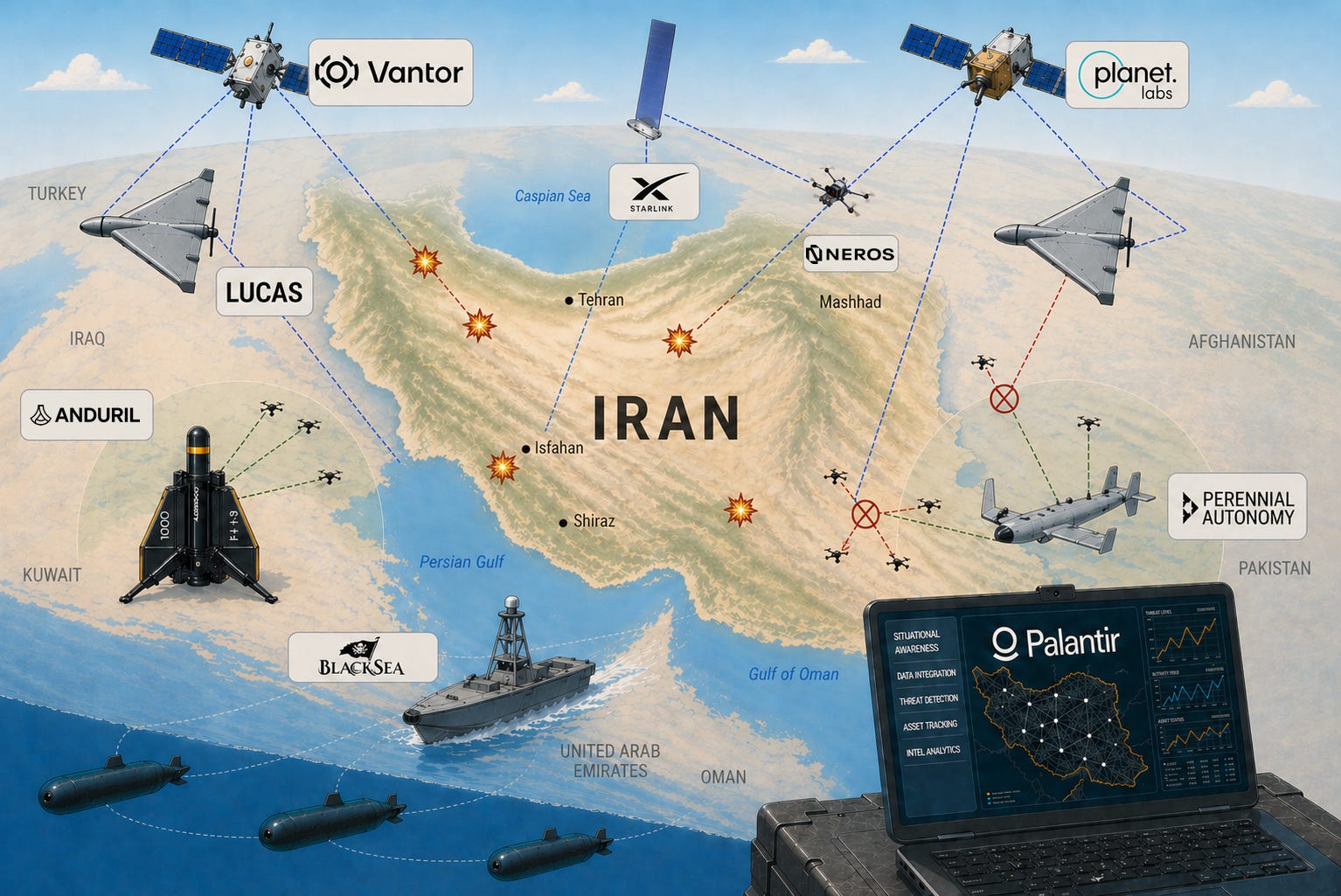
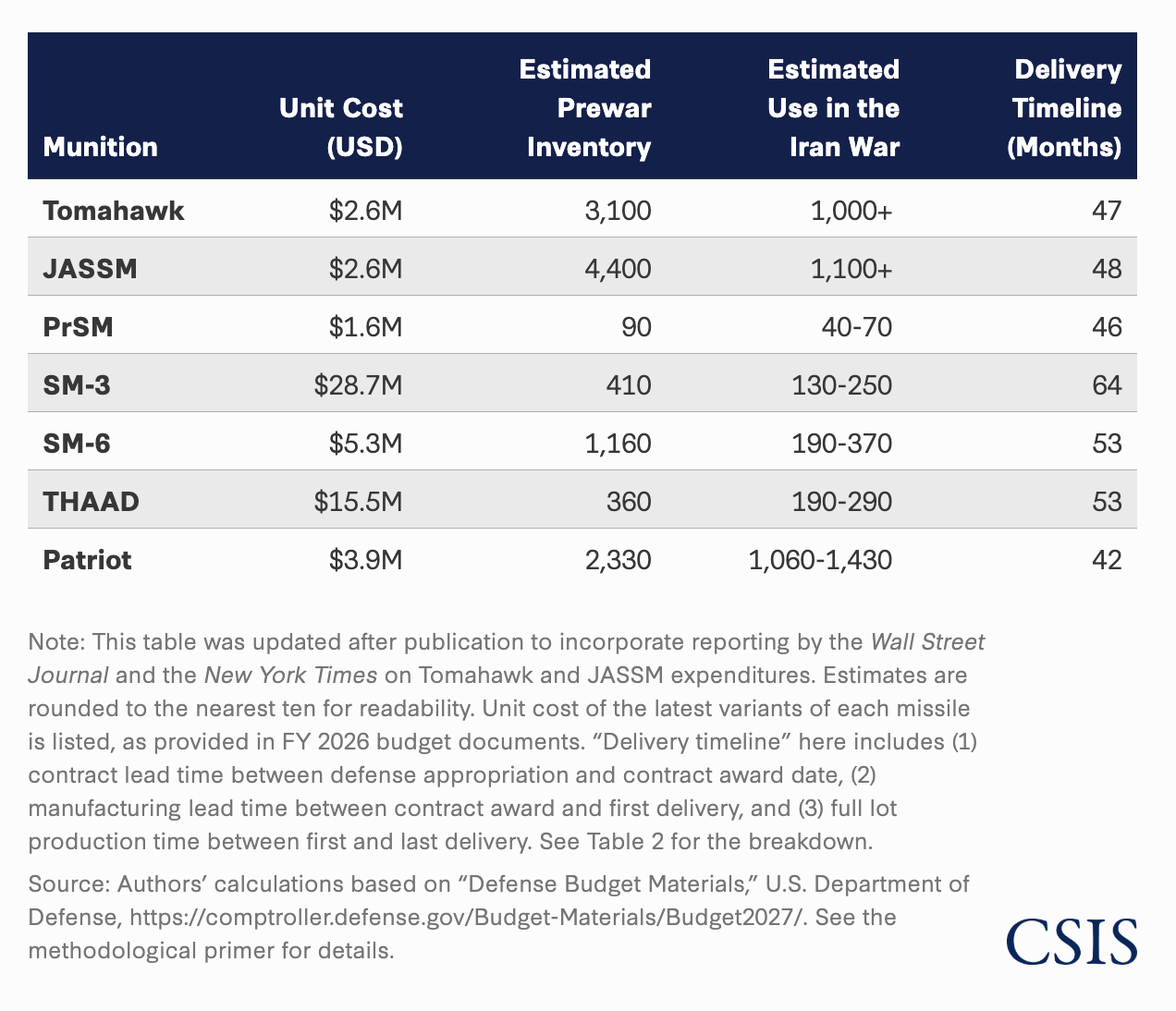
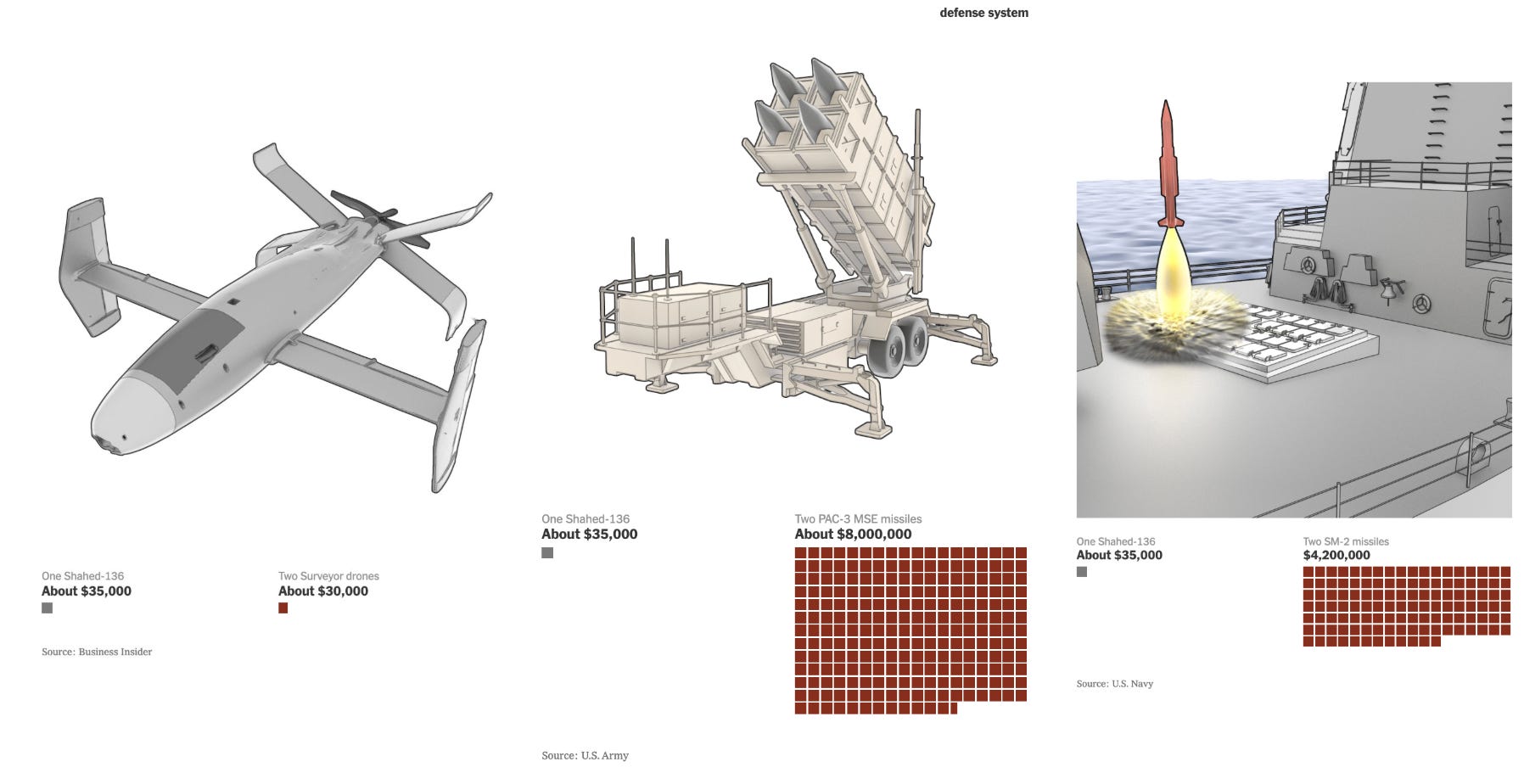
However, the war in Iran appears to be a turning point in U.S. military use of commercially-developed unmanned systems and AI technologies. The conflict’s economics demand a shift toward innovation. Currently, the U.S. relies on million-dollar missiles to intercept $20,000 Shahed drones – a strategy that is both financially unsustainable and depleting our stockpiles. While legacy U.S. military systems still dominate the battlefield in Iran, U.S. forces are starting to use commercial unmanned aerial and maritime vehicles, low-cost counter drone systems, commercial space assets, and AI decision support tools out of necessity in order to counter cheap, asymmetric Iranian capabilities.
Unmanned Systems
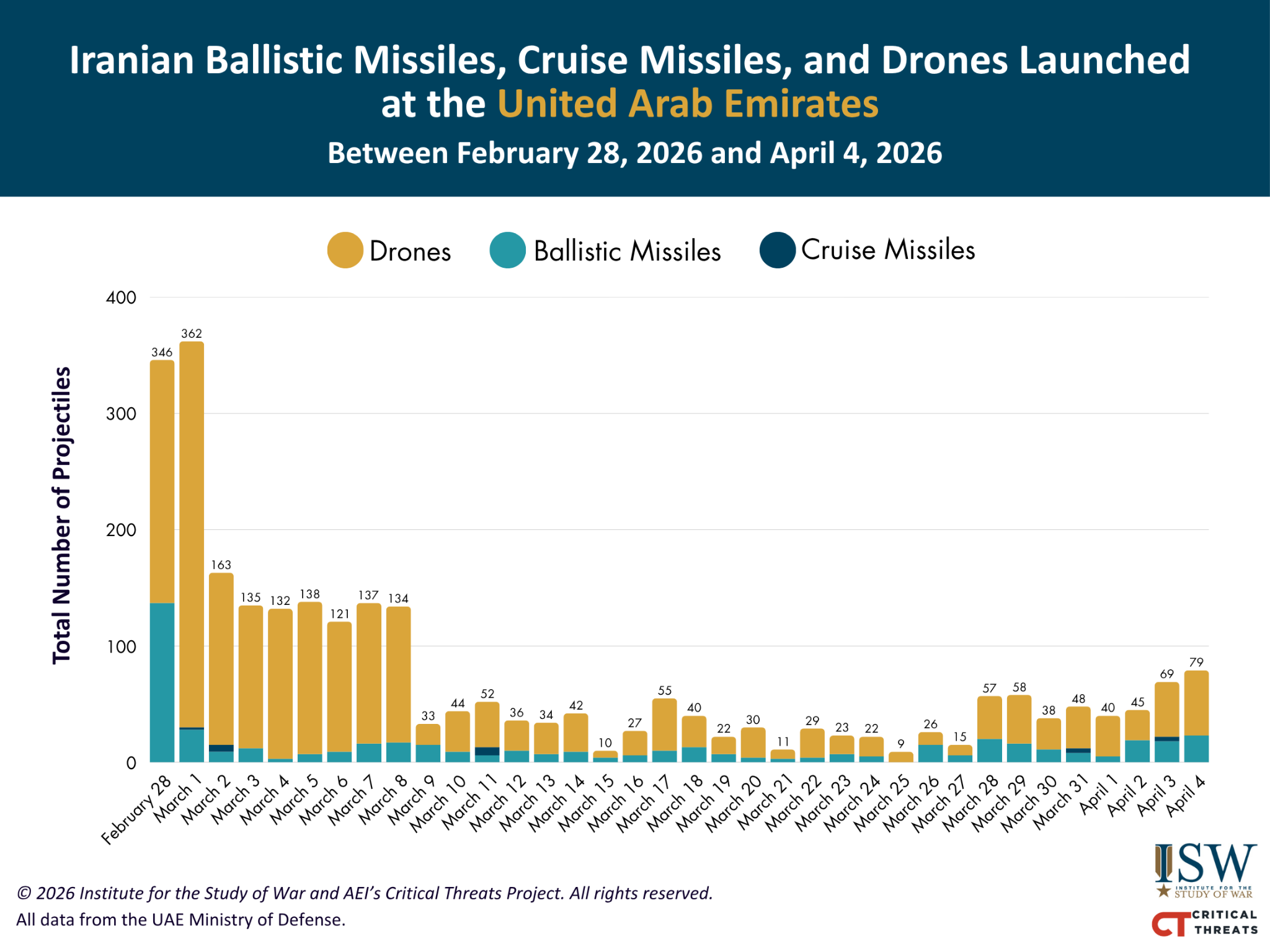
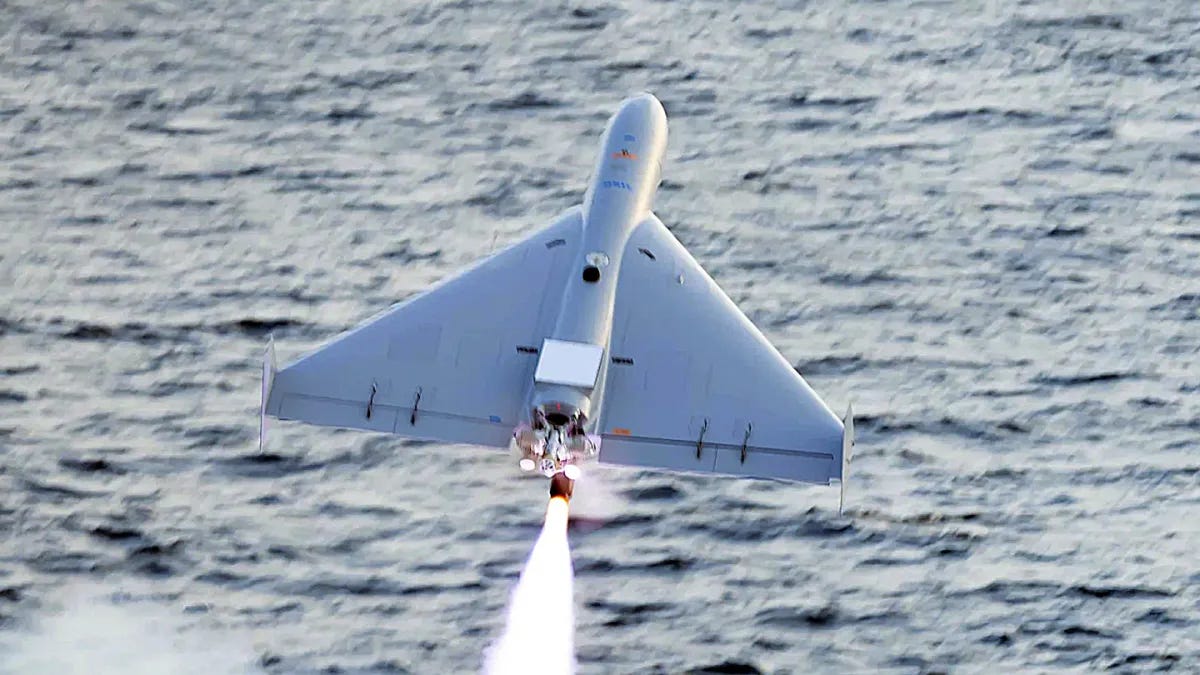
First and foremost, like the Russia-Ukraine conflict, cheap, unmanned systems are playing a major role in the Iran conflict. Perhaps most notably, Iran has launched thousands of Shahed one way attack drones against U.S. and allied forces since the start of the conflict (Russian and Ukrainian forces have also made extensive use of Shahed-type drones, which cost ~$30,000-$50,000 depending on the exact make and model).
In December 2025, CENTCOM established Task Force Scorpion Strike (TFSS), a new task force dedicated to the U.S. military’s first one-way attack drone squadron in the Middle East. In February 2026, TFSS debuted the Low-cost Unmanned Combat Attack System (LUCAS) – a $35,0001 American-made Shahed alternative – during combat operations in Iran. LUCAS is an excellent success story for the power of innovative small businesses and innovation focused contracting mechanisms. LUCAS was developed by SpektreWorks, a small business based in Phoenix, Arizona, that reverse engineered an Iranian Shahed airframe that was captured by the U.S. military. LUCAS development was funded by an APFIT award, a contracting mechanism designed to enable rapid award of production contracts with novel vendors, and CENTCOM’s Rapid Employment Joint Task Force (REJTF) quickly delivered the system to deployed forces who used the system in combat less than a year after the initial APFIT award.2 While SpektreWorks developed the first set of LUCAS systems, the Department of War (DoW) plans to award contracts to multiple vendors to build LUCAS. According to Pentagon CTO Emil Michaels, LUCAS drones were not being mass produced before Operation Epic Fury, and only a few dozen have been used in combat to date, but is likely that the DoW will scale manufacturing and procure many more LUCAS drones in the months to follow, alongside initiatives like the Drone Dominance Program.
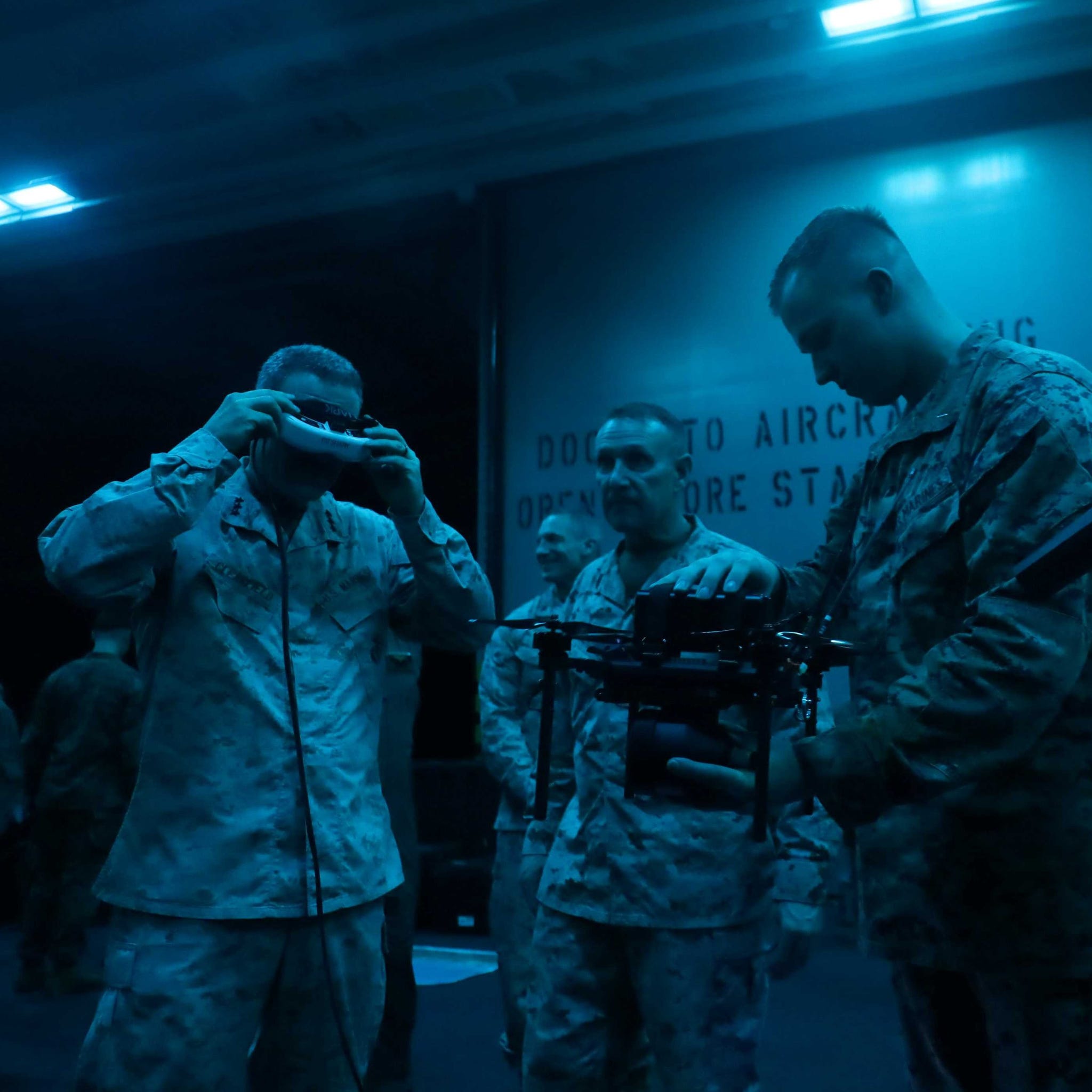
CENTCOM also appears to have some FPV drones present in theater, although it is not clear if the drones are being used in combat (most FPV drones have limited ranges that are not conducive to large scale naval operations). An X post from U.S. Marine Corps Forces Central Command shows Marines testing a Neros Archer FPV drone on the USS Tripoli, which is actively operating in the Arabian Sea as part of a U.S.-led blockade against Iran. The USMC previously awarded Neros a $17M contract for 8000+ FPV drones. There have not been any additional details released on how the DoW is using these drones in the conflict or if other drones procured via the Drone Dominance Program are in use in Iran.
In addition to aerial drones, the DoW has also turned to defense tech companies for aerial drone defense. Before the conflict began, the U.S. was woefully underprepared to defend against cheap drone threats like Shaheds. The U.S. is largely reliant on multi-million dollar missile interceptors, including Patriot and Terminal High Altitude Area Defense (THAAD) batteries, both fired from land, and Standard Missiles launched from Navy warships at sea, for Shahed drone defense.3 However, as stockpiles for these expensive munitions dwindle, the DoW has begun to turn to lower cost alternatives developed by startups.
For example, Matt Steckman, the CBO and President of Anduril, stated that Anduril is a “heavy participant in the current conflict in the Middle East, mainly on the defensive side,” responsible for one of the “principal” systems used against Iranian Shahed drones during Operation Epic Fury. Anduril’s Wisp infrared detection sensor, jet-powered Roadrunner drone, and Lattice battle management system could all potentially play a role in countering Shaheds. In March 2026, the Army’s Joint Interagency Task Force 401 (JIATF-401), the DoW’s primary group responsible for developing and deploying counter UAS technologies, awarded Anduril an $87M contract for Anduril’s Lattice software to serve as the tactical command and control solution for C-UAS.
In addition to Anduril’s C-UAS solutions, the U.S. Army has also purchased 13,000 low-cost Merops Surveyor drone interceptors, each of which cost ~$15,000, from Perennial Autonomy, an American defense tech company founded by former Google CEO Eric Schmidt. Notably, Merops interceptors have been successfully deployed on the battlefield in Ukraine against Russian Shahed-type drones. Army Secretary Dan Driscoll stated that he expects the cost of Merops to drop to $3,000-$5,000 per interceptor as they are manufactured at scale.
Both U.S. and Iranian forces have also employed maritime drones during the conflict. Iran has used small, explosive-laden unmanned surface vessels (USVs) disguised as wooden fishing vessels to attack several oil tankers in the Strait of Hormuz. The Iranian USVs are not autonomous, relying on basic remote control capabilities and potentially basic GPS waypoint navigation.
The U.S. Navy has deployed BlackSea’s Global Autonomous Reconnaissance Craft (GARC) USVs, which are capable of hosting kinetic, communications, and surveillance payloads, for patrol missions during Operation Epic Fury. The Navy also plans to use unmanned underwater vessels (UUVs) for mine clearance missions in the Strait of Hormuz, however, they did not specify which UUVs they will use.
Commercial Space
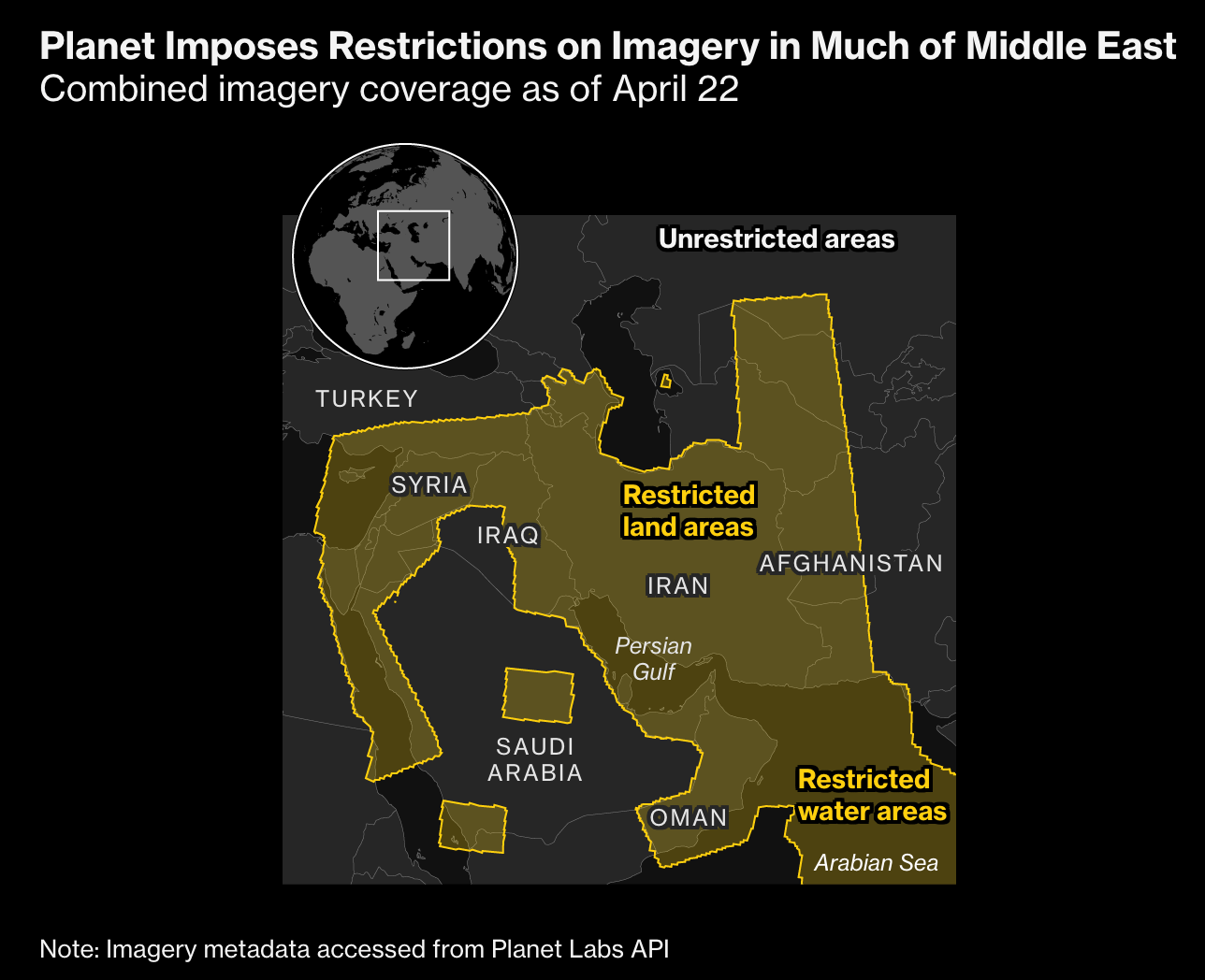
Commercial space companies have played a meaningful role in the Iran conflict. When the war began, the first confirmation that U.S. forces had launched strikes against Iran came from commercial space companies Planet Labs and Vantor, even before the U.S. government itself announced the mission. Planet Labs is now indefinitely withholding all imagery of Iran from non-government customers, while Vantor has implemented “enhanced access controls” to imagery from parts of the Middle East, restricting who can purchase and view certain data. Both Planet Labs and Vantor have significant DoW contracts. It is likely that other commercial earth observation providers are also privately providing valuable data to DoW.
On the satellite communications side, DoW is likely using SpaceX’s Starlink (and / or Starshield4) communications products. In one photo of a LUCAS drone, the drone appeared to be equipped with a Starlink terminal (or perhaps a Starshield terminal) for communications.
Artificial Intelligence
Palantir CTO Shyam Sankar described the war in Iran as “the first large-scale combat operation that was really driven, enhanced and made substantially more productive with technology, with AI.” Palantir’s Maven Smart System (MSS), which is expected to become an official program of record later this year, with $2.3B in funding requested in the FY27 defense budget, has played a central role in the Iran conflict.
During the Iran conflict, the U.S. military has used MSS to automate parts of the “targeting” process – that is, the process in which DoW identifies objects or installations to be attacked, taken, or destroyed in warfare. The targeting process has six functional steps: identify entities of interest, locate them, filter to lawful targets, prioritize, assign to firing units, and fire. Previously, intelligence analysts would have manually combed through data to identify and prioritize targets. MSS can automate many steps of this process, identifying, filtering, and prioritizing entities of interest based on a certain mission set. MSS has clearly helped to accelerate the targeting process – in the first 24 hours, CENTCOM managed to strike 1000 targets, with another 10,000 targets struck in the first month.
At its core, MSS is an AI-enabled command-and-control (C2) data platform that ingests operational data from many data sources (ex: satellites, drones, sensors) and uses AI classifier models like computer vision models to detect, classify, and geolocate objects like military vehicles, buildings, and weapons systems.5 Within the DoW, Maven has more than 20,000 users, and according to Navy Rear Adm. Liam Hulin CENTCOM is “heavily using MSS.”
In 2024, Maven integrated Anthropic’s Claude models into the platform as a natural language interface and unstructured data processing tool, and since then, Claude has been used within MSS to generate proposed targets, track logistics, and provide summaries of intelligence coming in from the field.6 Note that Claude and other LLMs do not perform tasks like object detection, which are conducted by more traditional classifier models (ex: computer vision models); rather, LLMs are used for natural language processing and workflow automation like query generation. Palantir has built “AIP agents” on top of MSS which can automate workflows like data science tasks. For example, rather than writing a complex query to search for particular objects in the MSS database, users can ask an AIP agent a natural language question like: “Show me detections of tum22s” (a specific type of Russian airframe), and the agent will automatically generate and run a query to find the specified data.
Conclusion
While the Iran conflict marks a clear inflection point in the U.S. military’s adoption of AI and startup-built unmanned systems, these capabilities remain in an early stage of deployment and still represent only a small share of overall military platforms used in theater. Outside of a handful of unmanned systems and AI decision support tools, the U.S. military is still heavily reliant on traditional exquisite platforms rather than new technologies developed by innovative contractors.
In mid-March, CENTCOM released a list of the primary U.S. weapons systems used in Operation Epic Fury. As defense acquisitions experts Pete Modigliani and Matt MacGregor point out, LUCAS is the only major weapon system on the list that was designed in the last 15 years that has been used in combat in Iran. U.S. forces have only used a few dozen LUCAS systems to date (in contrast, Russia and Ukraine deploy hundreds of Shahed-type drones Russia-Ukraine conflict every day), and thus far USVs have only been used for relatively limited ISR missions. According to a CENTCOM spokesman, GARC boats had logged 450 hours in the first month of the conflict, which suggests only single digit numbers of GARC boats are deployed in the region. Again, compare this to Ukraine where Ukrainian Magura USVs operating in one-way attack mode reportedly destroyed eight Russian warships and damaged six more, causing more than $500M in damages to the Russian fleet.
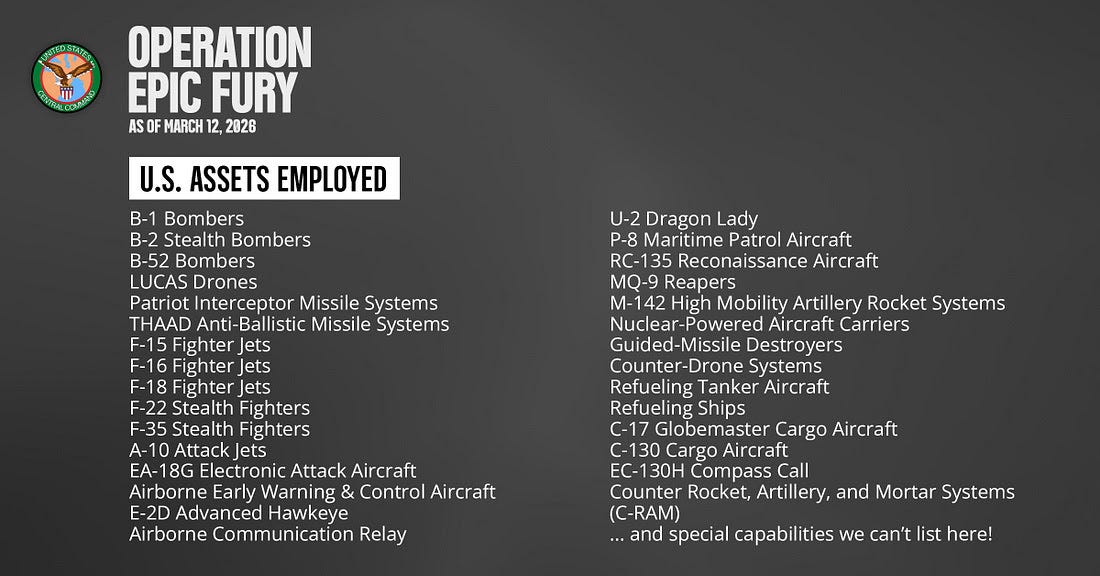
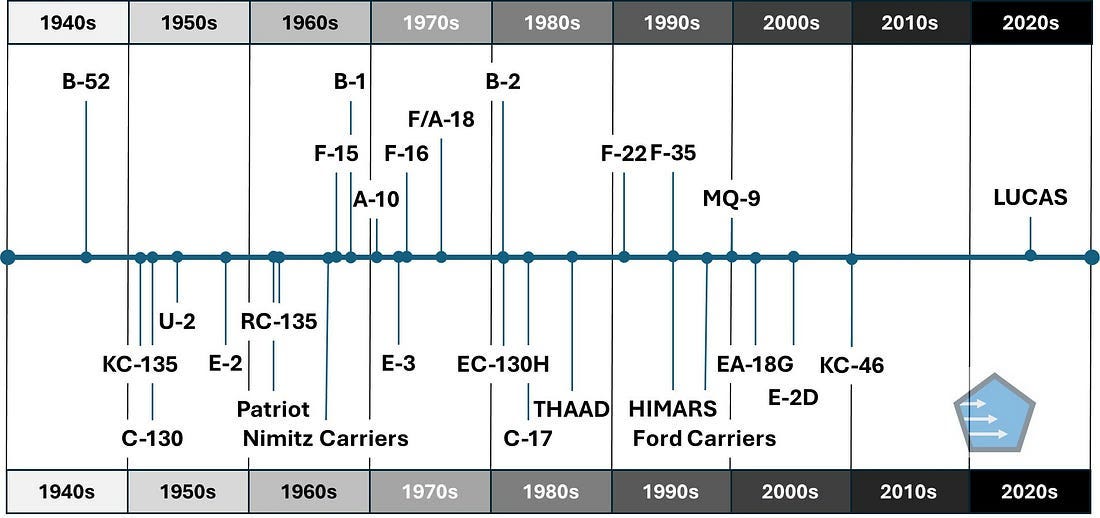
It is clear that relying on legacy systems alone is not sustainable, as Iranian forces deploy cheap, asymmetric capabilities against exquisite American forces. Expensive U.S. drone defense systems are economically unsustainable. Further, the Strait of Hormuz is closed, in part due to swaths of mines deployed from small, cheap ships, and ongoing mine clearing operations are dull, dangerous, and time consuming – a task that could clearly benefit from scaled deployment of unmanned maritime systems.
U.S. forces must quickly take the lessons learned from the Iran war and put them into practice, scaling manufacturing of cheap unmanned systems and counter-drone technology to rival adversary forces and extending the usage of AI to improve targeting, intelligence analysis, military decision making, and back office tasks.
The Iran conflict has made one thing clear: the question is no longer whether commercial technology belongs on the battlefield, but whether the United States can scale and integrate it fast enough to keep pace with adversaries who already have.
For more on the details of LUCAS acquisition and what it means for acquisition reform, see Defense Tech and Acquisition News’ excellent deep dive on the subject.
For more on the cost of different U.S. air defense systems, I recommend checking out this great New York Times report on the subject.
Starshield is SpaceX’s military version of Starlink.
The real competition is no longer between platforms but between innovation ecosystems capable of generating and sustaining “intelligent mass” at speed and scale.
Well done!
Well researched roll-up Maggie.
Keep up the great work!